
Preparing Your Boat for Winter in the Algarve: Essential Steps


As the warm days of summer come to an end, it's time to start thinking about preparing your boat for the winter months in the Algarve. While the region enjoys mild winters, it's still essential to take steps to protect your vessel from the elements. Proper winterization ensures that your boat is ready for the next season and helps maintain its longevity.
Why Winterizing Your Boat is Important
Even in the relatively mild climate of the Algarve, winterizing your boat is crucial. Cold temperatures, high humidity, and occasional storms can cause significant damage if your boat is not adequately protected. Proper preparation prevents issues like corrosion, mold, and engine problems, saving you time and money on repairs.
Cleaning and Inspecting Your Boat
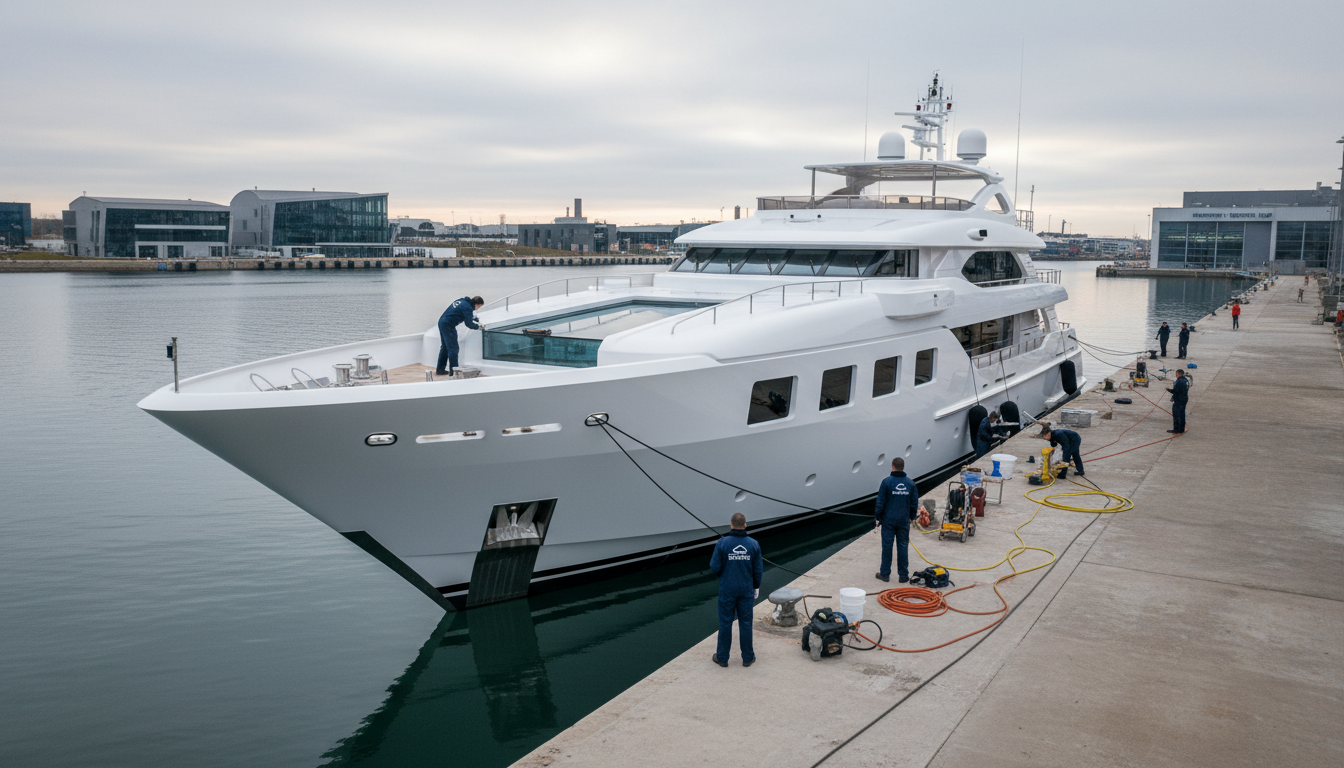
Start by giving your boat a thorough cleaning. Remove any salt, dirt, and debris from the exterior and interior surfaces. Pay special attention to the hull, deck, and any metal components to prevent corrosion. Inspect your boat for any signs of damage, such as cracks or leaks, and address these issues before storing your boat for the winter.
Check and Protect the Engine
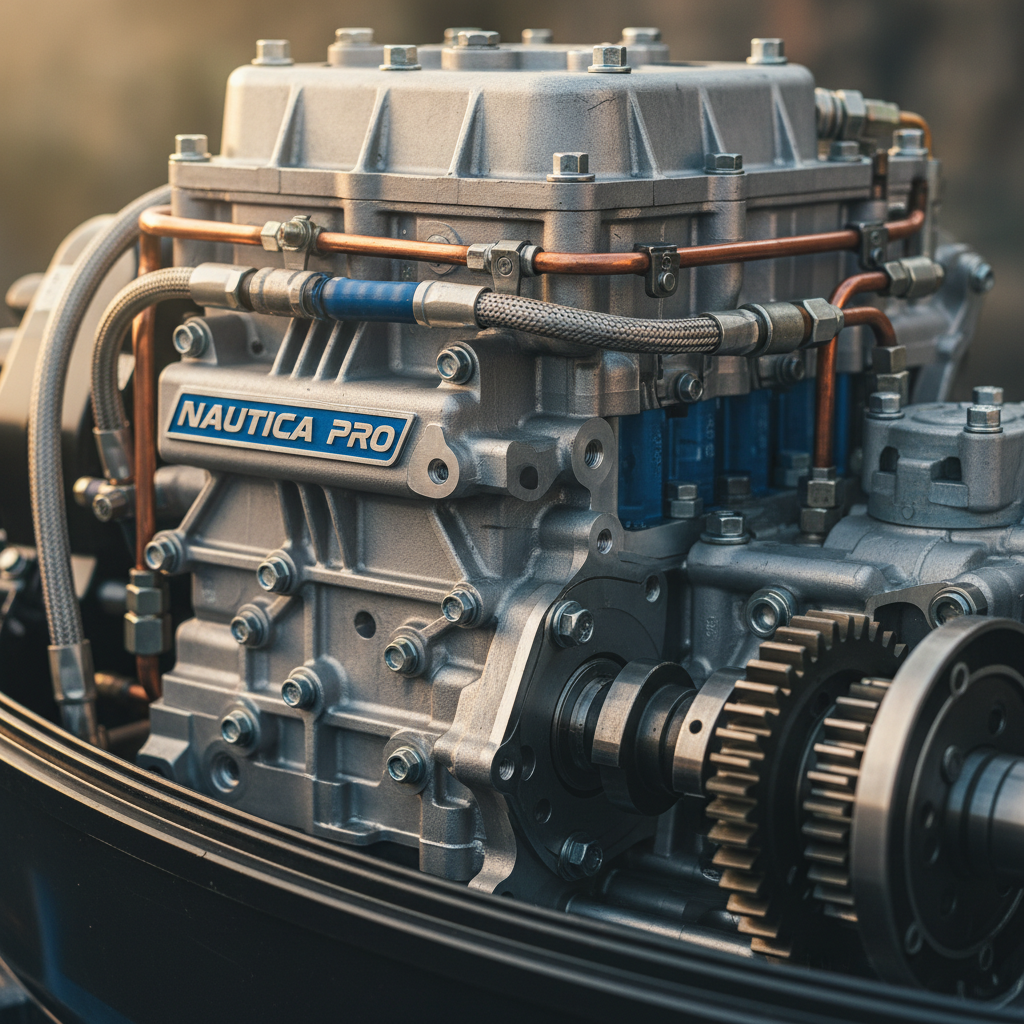
The engine is the heart of your boat, and it requires special attention before winter. Change the oil and replace the oil filter to prevent corrosion. Flush the cooling system with fresh water and add antifreeze to protect against freezing temperatures. It's also a good idea to check the fuel system, adding a fuel stabilizer to prevent condensation and degradation.
Securing and Storing Your Boat
Once your boat is clean and the engine is protected, it's time to think about storage. If possible, store your boat in a dry, covered location to shield it from the elements. If you must store it outdoors, invest in a high-quality cover to protect it from rain and UV rays. Ensure that the cover is secured tightly to prevent it from blowing away in strong winds.
Battery and Electronics
Remove the battery from the boat and store it in a cool, dry place. Keep it charged throughout the winter to ensure it remains in good condition. For electronic devices, disconnect and remove them if possible to prevent damage from humidity and temperature fluctuations.
Final Checks and Maintenance
Before you finish, double-check all lines, ropes, and fenders to ensure they are secure. Lubricate any moving parts, such as hinges and locks, to prevent rust. It's also wise to review your boat insurance policy to ensure it covers any potential winter-related damages.
By following these essential steps, you can rest assured that your boat will be in excellent condition when it's time to hit the water again. Taking the time to properly winterize your boat will not only protect your investment but also provide peace of mind during the off-season.