
DIY Boat Repair: How to Handle Common Issues at Sea


Dealing with boat issues while at sea can be daunting, but having some basic DIY repair skills can be a lifesaver. Whether it’s a minor leak or an engine hiccup, being prepared can make all the difference in ensuring your safety and peace of mind.
Identifying and Fixing Leaks
One of the most common issues faced by boaters is a leak. The first step is to identify the source. Check areas around the hull, through-hulls, and any fittings. Once located, you can use marine sealant or epoxy putty for a temporary fix until you reach the shore.
For smaller leaks, a simple combination of duct tape and waterproof sealant can do the trick. However, for larger issues, it might be wise to use a fiberglass repair kit. Always carry these essentials in your boat repair kit to address leaks immediately.
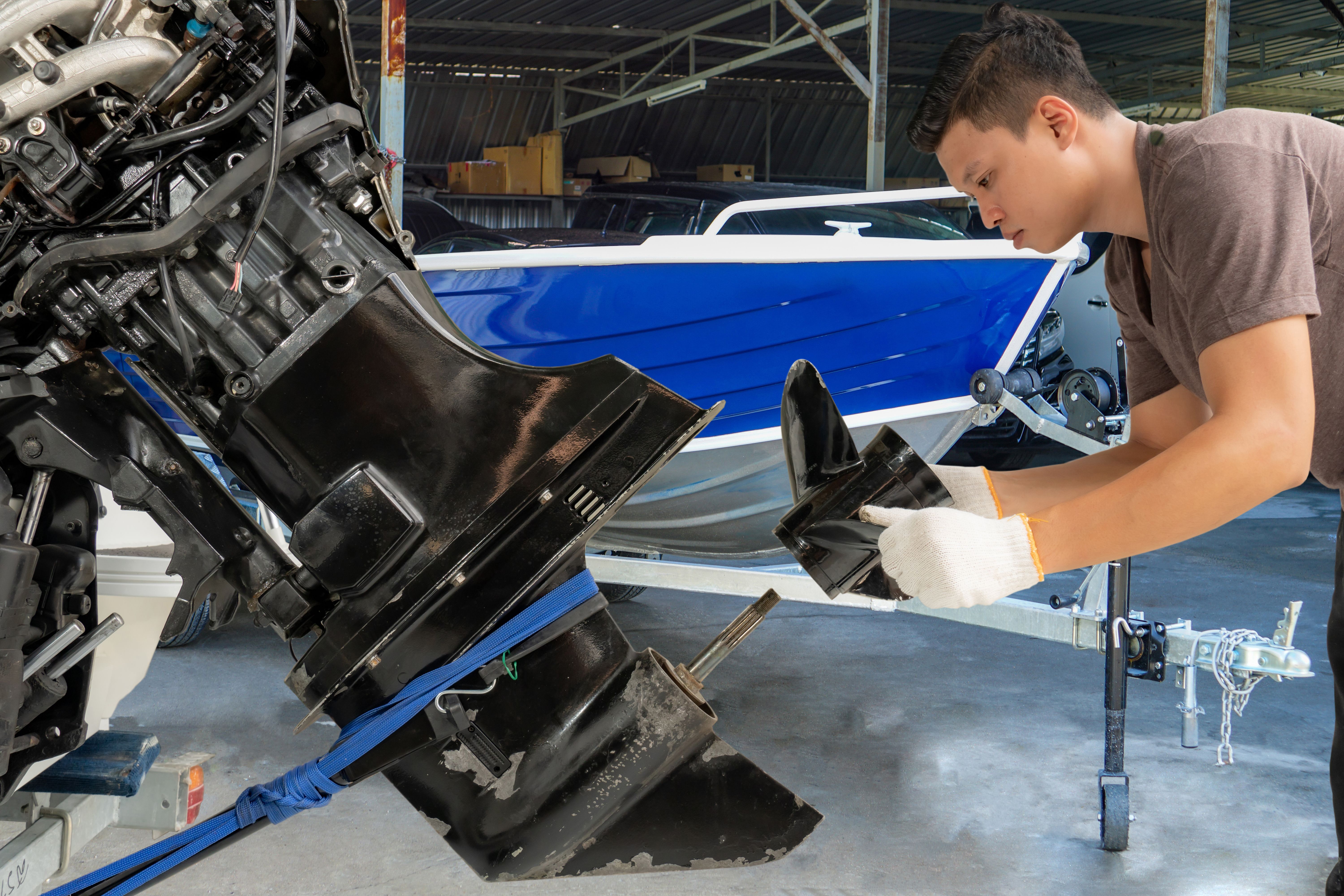
Handling Engine Troubles
Engine problems are another frequent concern on the water. If your engine won’t start, check the fuel supply first. Ensure that the fuel tank is full and the fuel lines are clear and connected properly. Sometimes, simply bleeding the fuel lines can resolve the issue.
If the engine overheats, inspect the cooling system. Ensure that the water intake is not blocked by debris. Cleaning out filters and checking the impeller can often solve overheating problems. Keeping a spare impeller on board is a smart precaution.

Addressing Electrical Issues
Electrical issues can be tricky, but often the solution is straightforward. Start by checking the battery connections. Loose or corroded connections can prevent the electrical system from functioning correctly. Clean and tighten these connections to restore power.
Additionally, having a multimeter on hand can help diagnose more complex electrical problems. Test fuses and switches to ensure they are operational. Replacing faulty fuses is generally a quick fix that can get your systems up and running again.
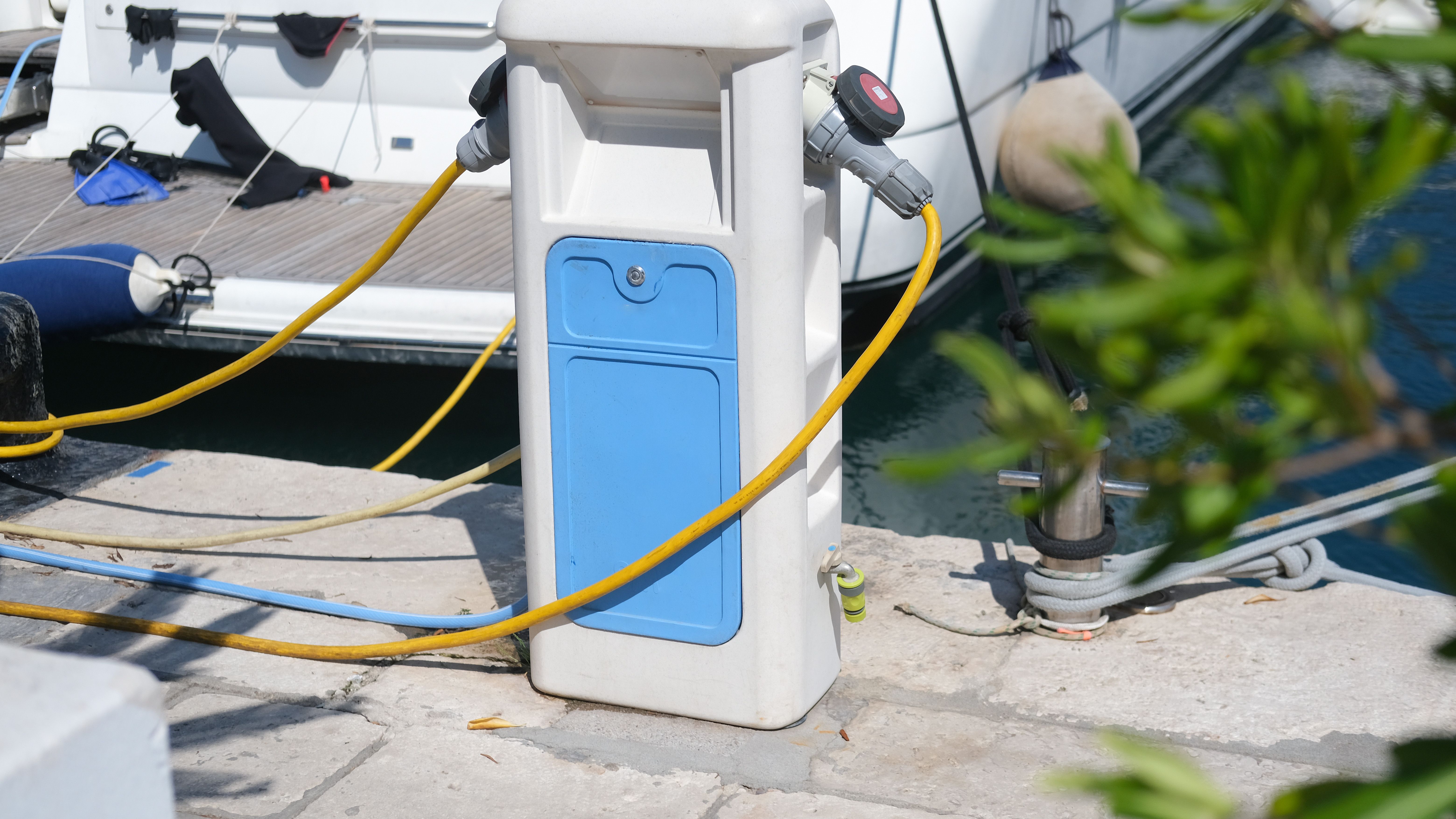
Managing Steering Problems
Steering issues can be particularly dangerous at sea. If you encounter resistance or a complete lock-up, first inspect the steering cables. Corrosion or mechanical wear can lead to steering failure. Lubricating the cables or replacing them if necessary can restore control.
Hydraulic steering systems require regular checks to ensure there are no leaks in the hydraulic lines. Keeping hydraulic fluid on board can help address low fluid levels that might cause steering issues.
Conclusion
Preparation and regular maintenance are key to handling common boat issues. By keeping a well-stocked repair kit and understanding basic repairs, you can tackle most problems that arise at sea. Remember, safety should always be your top priority, so don’t hesitate to seek professional help when needed.